Best Electric Scooter for College Students
Choosing an electric scooter for campus: weight for dorm stairs, folding, campus and dorm rules, locks, charging safety and four budget-aware models to consider.
At a glance
For most college students, the NIU KQi Air is the scooter to pick, because it is listed at about 26 lb and folds for dorm stairs. The Hiboy S2 Pro adds airless tires at an entry-level tier, and the Segway Ninebot E2 Plus suits short trips for lighter riders.

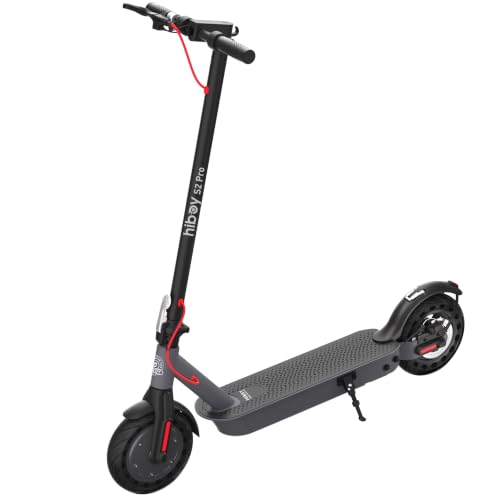
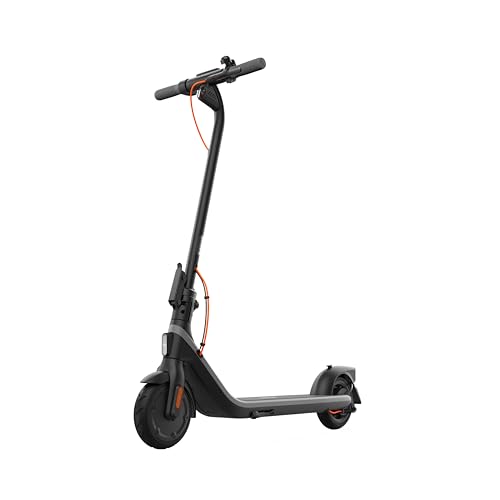
A scooter can turn a 20-minute walk between the dorm and the lecture hall into a five-minute ride. It can also become a problem: an expensive item that your residence hall does not allow, a battery you are not permitted to charge in your room, and a stair climb you did not plan for. Most of what makes a scooter good for college is not top speed. It is weight, folding, theft protection and rules.
We did not ride any of these scooters. Our picks come from comparing the specifications each maker publishes on its product page. For the full lineup, see our electric scooter comparison.
Check Your School’s Rules Before You Shop
Campus rules vary widely, and they are changing quickly because of battery fires. Two campus policies show the range. Yours may differ, so treat them as examples and look up your own school’s current policy.
Xavier University’s handbook says motorized scooters, also called e-scooters, are not permitted in its residential areas, including residence halls and apartments, because of safety risks. It also says charging these devices inside residential areas is prohibited because of the fire hazard from lithium-ion batteries.
UC Davis published an article from its transportation services saying that charging electric transportation devices indoors is prohibited for fire-safety reasons and that owners should charge off campus. It says devices may not be stored inside university buildings, except in designated personal spaces such as offices, and that riding any wheeled device indoors is not allowed. The article adds that wheelchairs and assistive devices are always allowed indoors, and it encourages owners to use a high-quality lock and register through the campus bicycle program.
Your school may be more permissive, stricter or somewhere in between. The practical steps are the same everywhere:
- Read your housing contract and the residence life policy for e-scooters, e-bikes and hoverboards.
- Check the transportation or public safety page for riding rules, speed limits, parking areas and registration.
- Ask where you will be allowed to store and charge the scooter. If the answer is nowhere, plan for off-campus storage or a different purchase.
State and city laws also apply on public roads near campus. There is no single federal e-scooter law, and speed limits, helmet rules, minimum ages and sidewalk or bike-lane rules differ by state and city. Check both.
Weight and Folding: Dorm Stairs, Classrooms and Buses
If your scooter may live in a room, a stairwell or the back of a lecture hall, carrying weight is your first filter. According to the makers:
| Scooter | Weight | Maximum load |
|---|---|---|
| NIU KQi Air | About 26.2 lb | 265 lb |
| Segway Ninebot E2 Plus | About 31.7 lb | 198 lb |
| Hiboy S2 Pro | About 37.4 lb | 220 lb |
| Segway Max G2 | About 53.5 lb | 265 lb |
A 26 lb scooter is a one-hand carry for most people. A 54 lb one is a two-hand lift, and most people will not enjoy doing it up three flights. NIU lists a folded height of about 18.9 inches for the KQi Air, which helps in a closet or under a desk, if your school permits indoor storage at all.
Also check the maker’s maximum load, recommended age and rider height against your own. Segway lists the E2 Plus for riders 14 and older between about 4’3” and 6’2” with a 198 lb maximum load, while the KQi Air is listed at a 265 lb maximum load with a minimum rider age of 14. Never exceed the load limit. A heavy backpack counts toward it.
Range and Charging on a Campus Schedule
Campus trips are short, so range is less important than for a commuter, but you still need a margin. A day with five or six trips between classes, a stop at the library and a ride to a part-time job can add up. Maker figures are best-case: Segway’s E2 Plus figure of about 15.5 miles assumes a 165 lb rider, about 77°F and 70 percent of top speed, and Segway lists about 12.4 miles typical at maximum speed. NIU lists 31 miles for the KQi Air without stating test conditions, and Hiboy lists up to 25 miles for the S2 Pro without stating them either.
Charging is where campus rules bite. The E2 Plus takes about 7.5 hours to charge, per Segway, the S2 Pro takes 4 to 6 hours, per Hiboy, and the KQi Air takes about 5 hours, per NIU. If your school bans charging in buildings, you need a place to do that, and a scooter that can handle your day on one charge.
Cornell’s environmental health and safety office gives general guidance that applies at school and at home: use the original charger and cord, do not charge unattended or while sleeping, and store the device where it does not obstruct your exit. It says the UL 2272 standard for personal e-mobility devices is the one to look for. It also advises riding on pavement or smooth, compacted ground, since damage can lead to a battery failure called thermal runaway.
Theft: Lock It Every Time
Campus bike racks are full of cut cable locks. Use a hardened U-lock or a thick chain through the frame, secured to a fixed rack. Lock the scooter even for a five-minute stop. If your school offers registration, use it, since a registered serial number helps recovery. Carry the lock in your backpack rather than leaving it on the rack.
Features such as NIU’s NFC and Bluetooth unlock with automatic locking can deter casual use, and Segway lists Apple Find My support on the Max G2. These help you locate or disable a scooter, but they do not stop someone from lifting a light scooter into a car. The lightest scooters are the easiest to carry off, which is a real trade-off for the KQi Air.
Water Ratings and Tires
Campus riding means rain, puddles and wet leaves. The ratings listed by the makers are IP55 for the KQi Air, IPX4 for both the Hiboy S2 Pro and the Segway E2 Plus, and IPX5 for the Segway Max G2. IPX4 is a splash rating. It is not a reason to ride through standing water.
Tires matter for upkeep. The Hiboy S2 Pro uses 10-inch honeycomb, or airless, tires according to Hiboy, so there are no flats to repair, though airless tires generally ride harder. The KQi Air uses 9.5-inch tubeless tires and no suspension, per NIU. The Max G2 uses 10-inch tubeless self-sealing tires, per Segway.
Our Picks for College Students
NIU KQi Air: Lightest, for Stairs and Small Rooms
NIU lists a carbon-fiber frame, 26.2 lb weight, a 20 mph top speed, IP55 and a 265 lb maximum load. The best fit on our list for dorm stairs and carrying between classes.
This is our first choice if you must carry the scooter. NIU lists no suspension, so rough pavement and brick paths will be felt. NIU’s page says the scooter is “UL 2272 Certified,” which is the maker’s wording. See the NIU KQi Air profile.
Hiboy S2 Pro: Entry-Level, Low Maintenance
Hiboy lists honeycomb airless tires, dual rear suspension, a 19 mph top speed, 37.4 lb weight and a 220 lb maximum load. An entry-level scooter without flats to fix.
The S2 Pro fits a student who wants a low-maintenance scooter and has ground-level storage. Hiboy lists up to 25 miles of range, IPX4 and a 1-year warranty, and the S2 Pro product block does not state a certification for the model. Ask the seller for documentation if your school or housing office requires certified equipment. See the Hiboy S2 Pro profile.
Segway Ninebot E2 Plus: Short Trips, Lighter Riders
Segway lists about 31.7 lb, about 15.5 mph, about 12.4 miles typical range at top speed and a 198 lb maximum load. Simple and light for short campus trips and riders under that limit.
The E2 Plus is the simplest scooter on our list and is certified by TÜV Rheinland to the UL 2272 standard, according to Segway, with a 2-year limited warranty. It suits short campus trips, but check the 198 lb limit, the 12 percent maximum slope and the 7.5-hour charge. See the Segway Ninebot E2 Plus profile.
Segway Max G2: Bigger Campuses and Longer Rides

Segway lists about 28 miles at 20 mph, 10-inch self-sealing tires, front hydraulic and rear spring suspension, 53.5 lb and a 265 lb maximum load. A mid-range choice for sprawling campuses or off-campus housing.
If you live off campus and ride a few miles each way, the Max G2 gives you more range and more comfort at a mid-range tier. It is a roll-it scooter, not a carry-it scooter. See the Segway Max G2 profile.
Budget Tiers, Without Prices
Entry-level scooters, such as the Hiboy S2 Pro and the Segway E2 Plus, make sense for short trips and light use. An upper mid-range model like the NIU KQi Air spends the budget on weight and build. A mid-range model like the Max G2 spends it on range and comfort. Check the current price on Amazon and compare warranties: Segway lists 2 years for the E2 Plus and Max G2, NIU lists 2 years for the KQi Air, and Hiboy lists 1 year for the S2 Pro.
Sources
- Xavier University: Motorized Scooters policy
- UC Davis: Scooters and Bikes: Charge Off Campus, Lock Up Outdoors
- Cornell Environmental Health and Safety: Fire Safety with Lithium-ion Mobility Devices
- NIU KQi Air official product page
- Hiboy S2 Pro official product page
- Segway Ninebot E2 Plus official product page
- Segway Ninebot KickScooter Max G2 official product page
Frequently asked questions
Can I keep an electric scooter in my dorm room?
It depends entirely on your school. Xavier University's handbook, for example, does not permit motorized scooters in its residence halls or apartments and prohibits charging them there, while UC Davis bars storing and charging devices inside university buildings apart from designated personal spaces such as offices. Read your housing contract and residence life policy before you buy.
Where can I charge a scooter if my school bans charging indoors?
Ask your housing office or transportation department. Some schools tell students to charge off campus, which means a scooter with a long enough range to ride home and charge fully is more useful than one you hope to top up in a building. Cornell's environmental health and safety office also advises against charging unattended or while sleeping.
What is the lightest scooter on your list?
The NIU KQi Air, which NIU lists at 26.2 lb with the battery and about 18.9 inches tall when folded. The Segway Ninebot E2 Plus is listed at about 31.7 lb, and the Hiboy S2 Pro at 37.4 lb.
How do I stop my scooter from being stolen on campus?
Use a hardened U-lock or chain through the frame and a fixed rack every time, even for short stops. Some campuses encourage registration, and UC Davis points owners to its Bicycle Program. App locks and tracking features help, but they do not replace a physical lock.
Do I need a helmet or license to ride on campus?
Rules vary by state, city and school, and some campuses add their own limits on where and how fast you may ride. Check your state and city law and your school's transportation or public safety page. Wearing a helmet is a sensible habit regardless of the requirement.
Is a cheaper scooter fine for a few years of college?
It can be, if the scooter matches your size and route. Watch the maker's maximum load, range and water rating. The Segway Ninebot E2 Plus, for example, is listed at a 198 lb maximum load and about 12.4 miles of typical range at top speed, so it fits lighter riders on short campus trips.